
CLE Programs
Vibe Coding for Lawyers: How to Do It and What You Need to Know
This CLE introduces lawyers to the emerging practice known as vibe coding, a nontraditional approach to building software-like tools through structured prompting rather than conventional programming. The session explains what vibe coding is, how it works, and how lawyers without technical backgrounds can leverage it to design practical solutions inside their existing workflows. Attendees will...
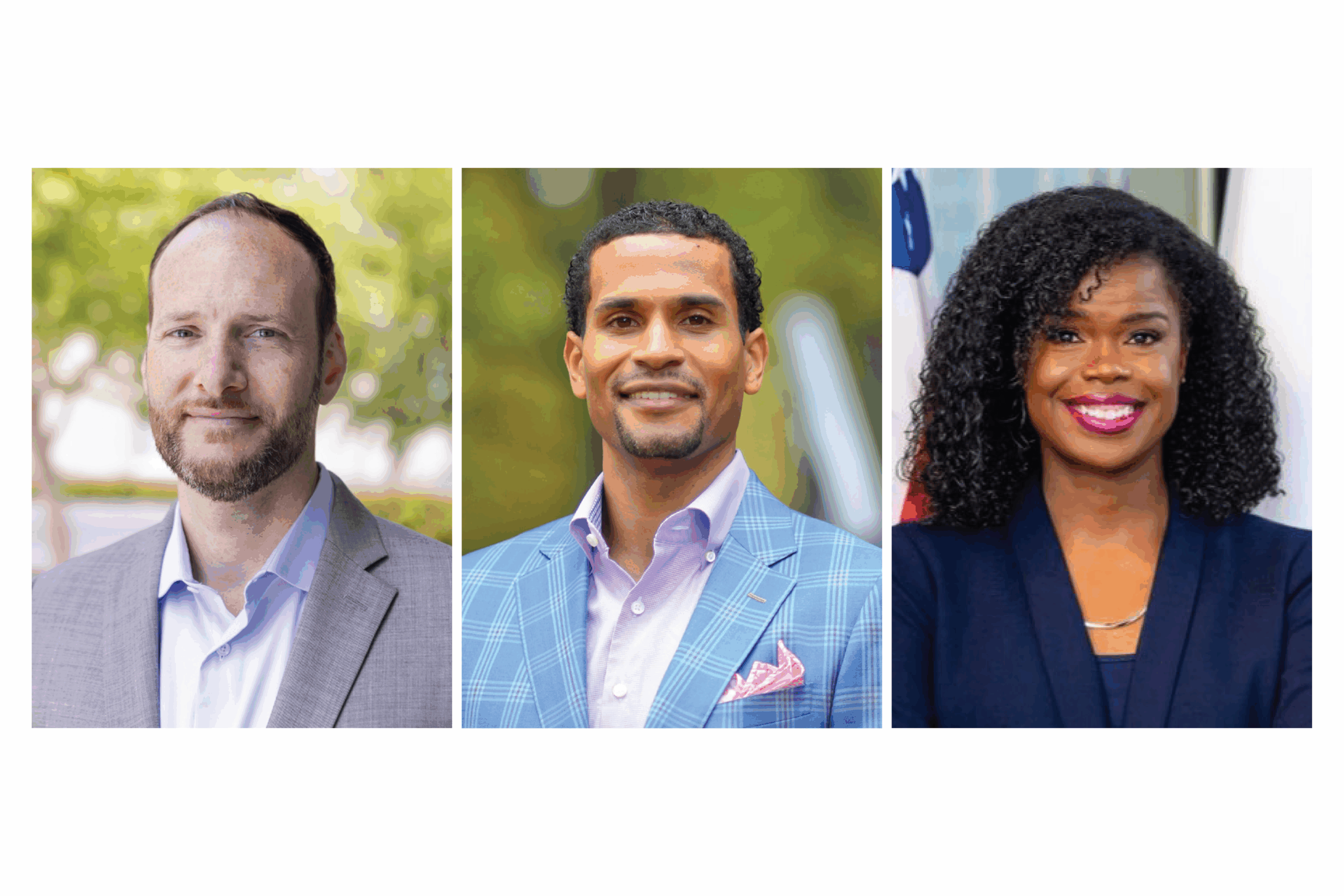
The Challenges of Transformative Prosecution
Bryan Cave Moot Courtroom (310)This event brings together criminal law scholars and practitioners to discuss the successes and difficulties around transformative criminal prosecution strategies. The panel will feature Chesa Boudin, the former District Attorney of San Francisco, and Kim Foxx, the former State Attorney for Cook County. Both of these professionals were part of the vanguard of rethinking how...
HIPAA Privacy and Security Compliance: Fundamentals and Emerging Risks in the Age of AI and Technology
This CLE examines the core compliance obligations imposed by the HIPAA Privacy Rule and Security Rule in the context of rapidly evolving technologies, including artificial intelligence and advanced data systems. Speaker: Adam H. Laughton, Shareholder, Greenberg Traurig LLP in Houston
Analyzing AI Terms in Commercial Contracts: A Practical Guide for Lawyers
This CLE is designed to help lawyers analyze, draft, and negotiate commercial contracts that involve artificial intelligence technologies without requiring technical expertise in AI systems. Speaker: Charlyn Ho, Founder and Managing Member, Rikka
AI, Defamation, and the First Amendment: Navigating Liability in the Age of Automated Content
This webinar program examines how traditional defamation principles translate to AI generated and AI assisted content, including false statements of fact, republication, attribution, and harm. Speaker: Bryan Clark, JD '08, Shareholder at Vedder Price
Benefits and Risks of Utilizing Artificial Intelligence in the Workplace and Employment Process
This CLE provides a practical overview of how AI is currently being deployed in the workplace and examines the efficiencies and strategic advantages these tools can offer employers when used appropriately. Speaker: Gerald L. Maatman, Jr., Chair, Duane Morris’ Class Action Defense Group
Quantum Computing and Law: What Lawyers Need to Know About the Next Technological Frontier Beyond AI
While many lawyers are still adjusting to generative AI, an even more disruptive technology may soon enter legal practice: quantum computing. Long viewed as a distant scientific concept, quantum technology is now moving steadily toward commercialization, with significant investment from governments and the private sector. Its arrival has the potential to fundamentally reshape cybersecurity, data...
AI, Evidence, and the Integrity of Judicial Proceedings
Artificial intelligence is creating new evidentiary and procedural challenges for courts, particularly as judges confront fake evidence, AI-generated or AI-affected evidence, fabricated citations, hallucinated filings, and other submissions shaped by tools that can alter content in ways that are not always obvious on their face. These developments raise pressing questions about authenticity, reliability, disclosure, attorney...
AI in Chambers: Judicial Policy, Standing Orders and the Future of Court Governance
Beyond the courtroom itself, courts are also beginning to confront difficult institutional questions about whether, when, and how AI should be used internally by judges, law clerks, and court staff. Issues involving internal AI use policies, confidentiality, workflow support, drafting assistance, ethics, training, procurement, and public trust are becoming increasingly important as courts consider how...
The AI Governance Blueprint: How AI System Risks Drive Emerging Legal Obligations and Compliance
Virtual EventThis program provides a forward‑looking, practice‑oriented examination of how the technical risk profile of modern AI systems is directly shaping emerging regulatory duties, enforcement expectations, and organizational compliance frameworks. Speaker: Agatha H. Liu, Partner | Duane Morris LLP | AI and IP Group
Deepfakes, Metadata, and the Future of eDiscovery: Navigating AI-Driven Evidence
This CLE examines how AI-driven technologies are reshaping eDiscovery and litigation strategy, and what practitioners must do to adapt. Speaker: Scott A. Milner, Partner, Morgan, Lewis & Bockius LLP
AI in Employment Class Actions: Emerging Theories, Mass Exposure, and Defense Strategies
Virtual EventThis CLE will examine how AI-related practices may give rise to class and collective action exposure under federal and state law, including discrimination, disparate impact, wage and hour, privacy, biometric, and workplace surveillance theories. Speaker: Gerald L. Maatman, Jr., Chair of Duane Morris’ Class Action Defense Group